
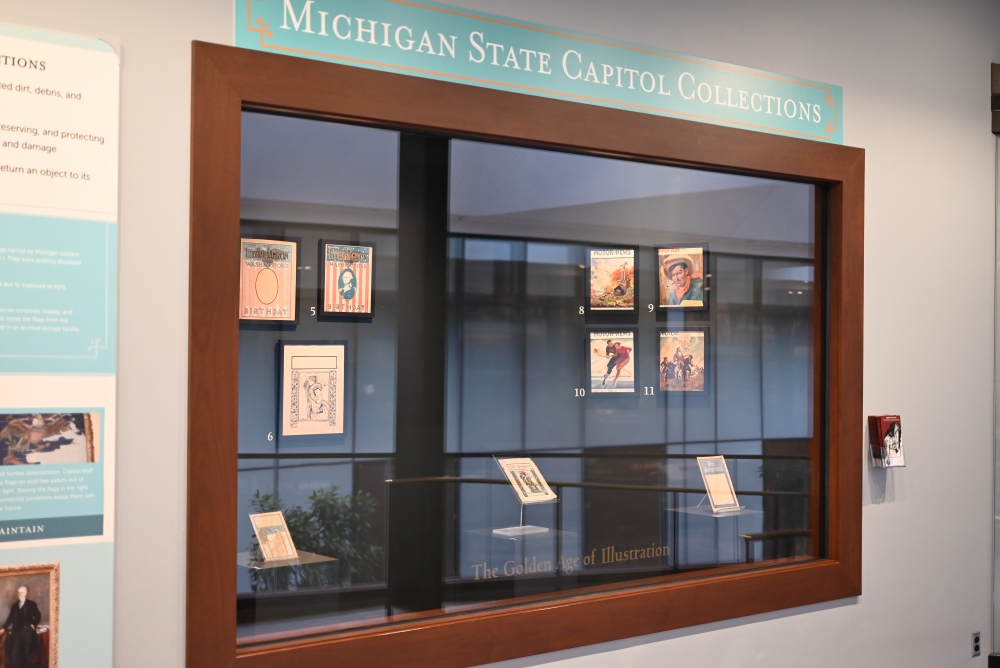
The period of 1850 to 1925 saw the birth of illustration as an incredibly popular art form in America. Art historians would later call this period the Golden Age of Illustration – a moment in which artists experienced an unique creative freedom born out of the opportunities that publishing provided.
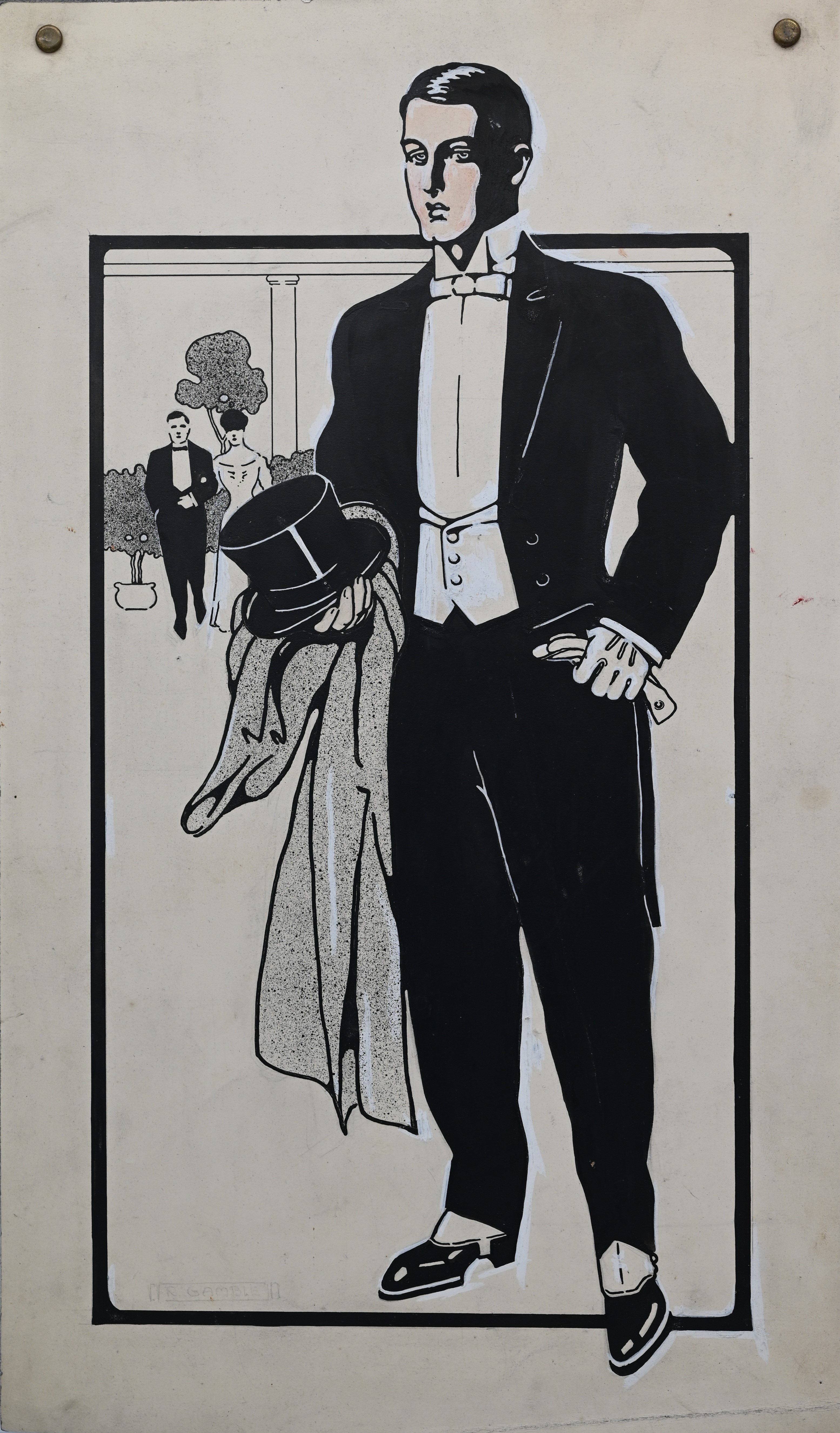
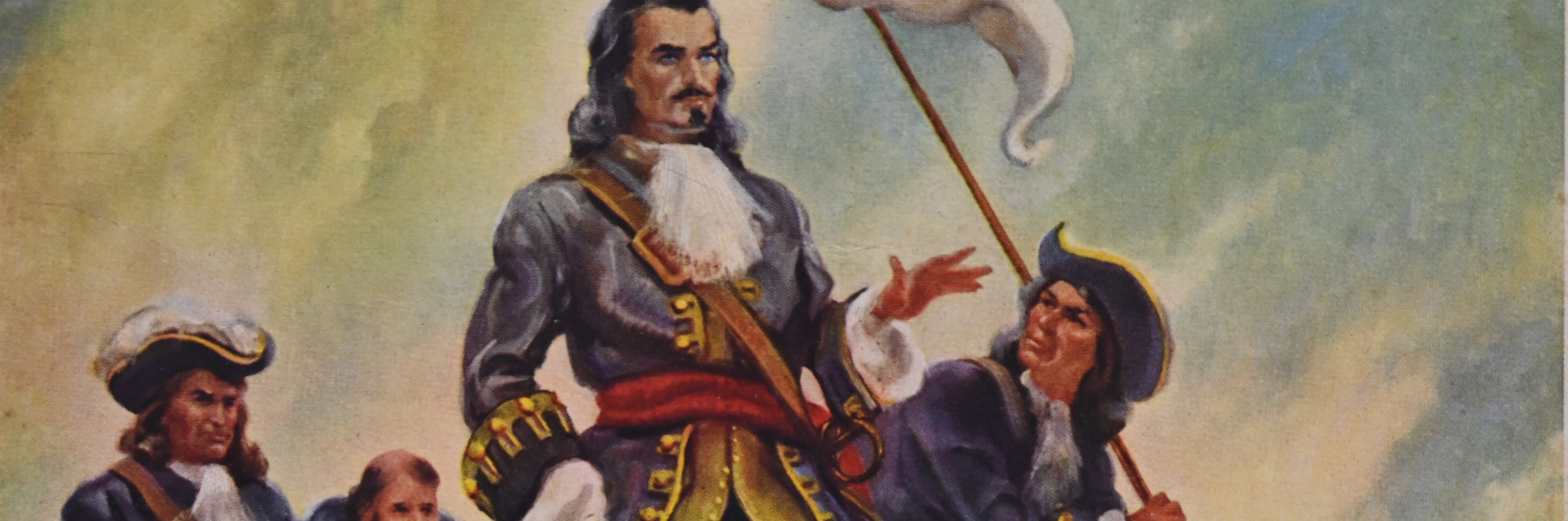
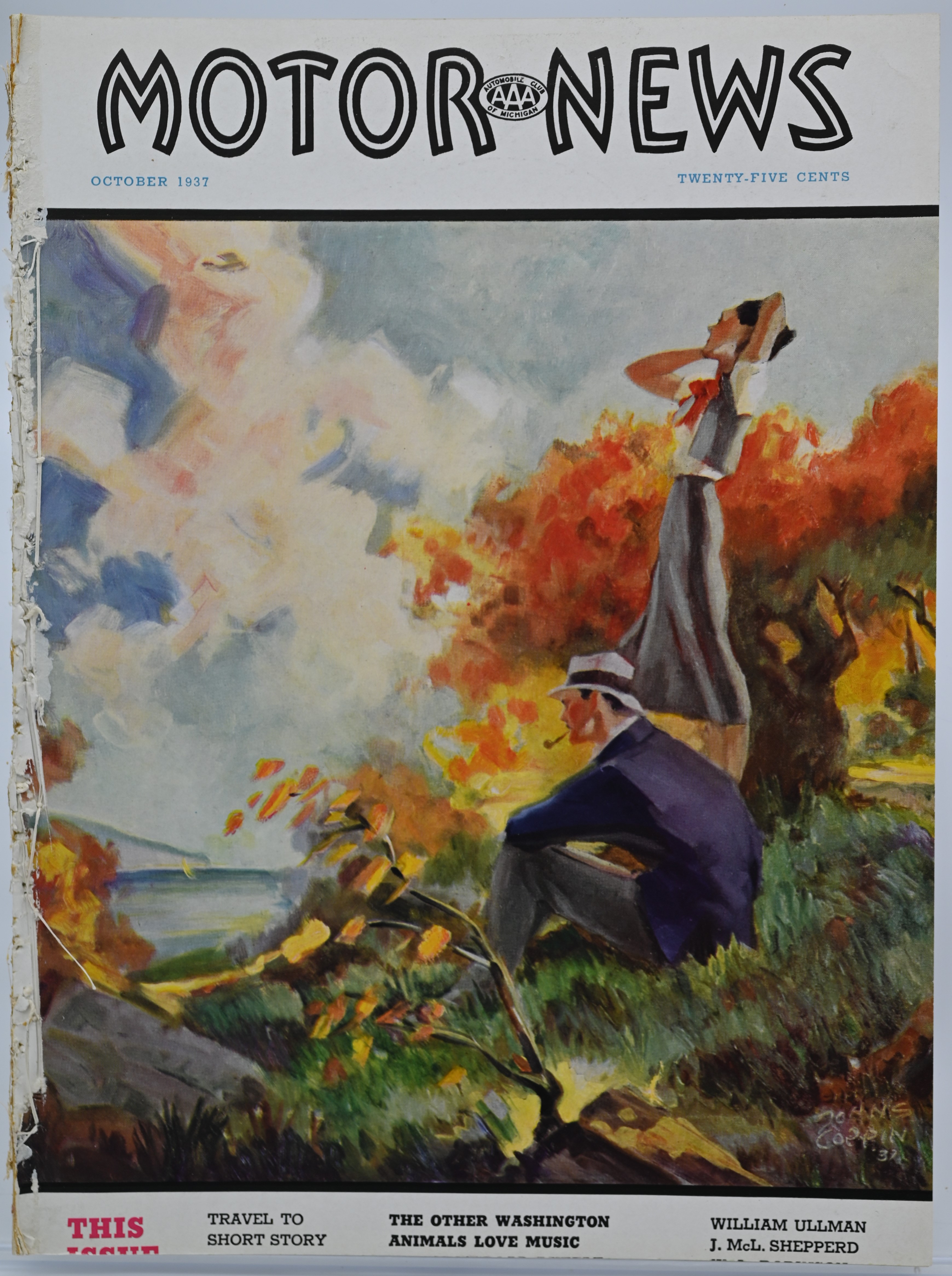
Heritage Hall’s newest art exhibition, titled The Golden Age of Illustration, explores how Capitol artists navigated this distinctive period in art history. Several of our portrait artists began their careers in illustration, including Edwin Murray MacKay (1869-1926), Roy C. Gamble (1887-1972), and John S. Coppin (1904-1986).
Illustration’s quick growth can be heavily credited to periodicals, with nationwide magazines like The Century, Harper’s, and Scribner’s dominating the industry. Advancements in printing technology made it increasingly easier to publish editions with more illustrations and distribute them further. Publications sold nationwide allowed artists to achieve name recognition across America. As illustration became a viable way to make a living, more artists began to pursue the field.
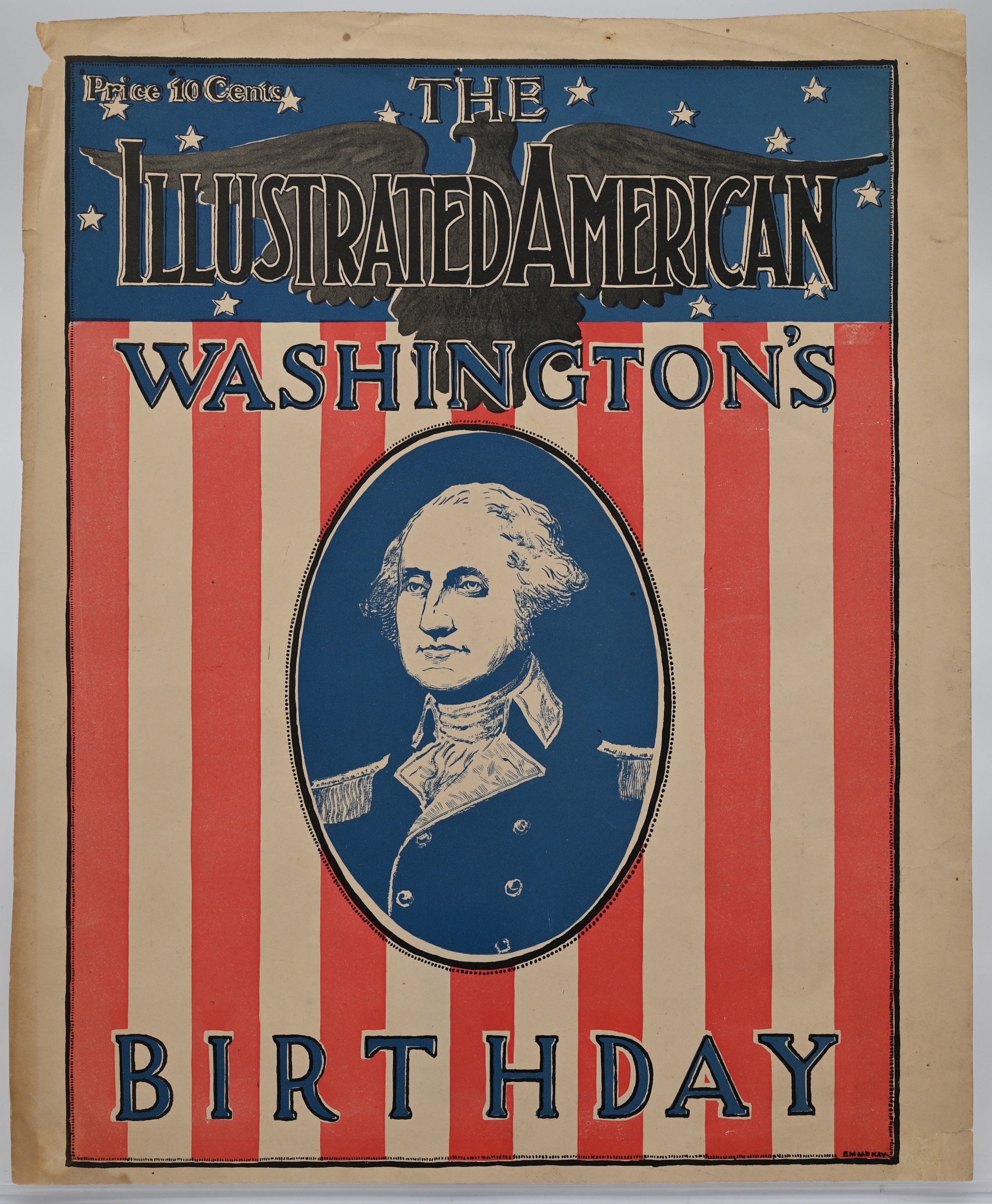
The artwork on display by MacKay demonstrates the variety of publications to which he submitted. It includes a cover sketch for The Illustrated American, displayed alongside the final version. In the margins of the sketch, MacKay makes notes about the size, design, and submission process of the proof. Advertisements featured in the exhibit show the versatility of Gamble’s work in advertising and include a striking ink drawing for a men’s fashion ad, while several covers of AAA Motor News magazine exemplify the creativity that Coppin provided during the forty years that he served as their cover artist.
Stop by Heritage Hall to view these works (and more!) in person, and to learn more about the rise and fall of illustration in America. The Golden Age of Illustration will be on view through May 31st.